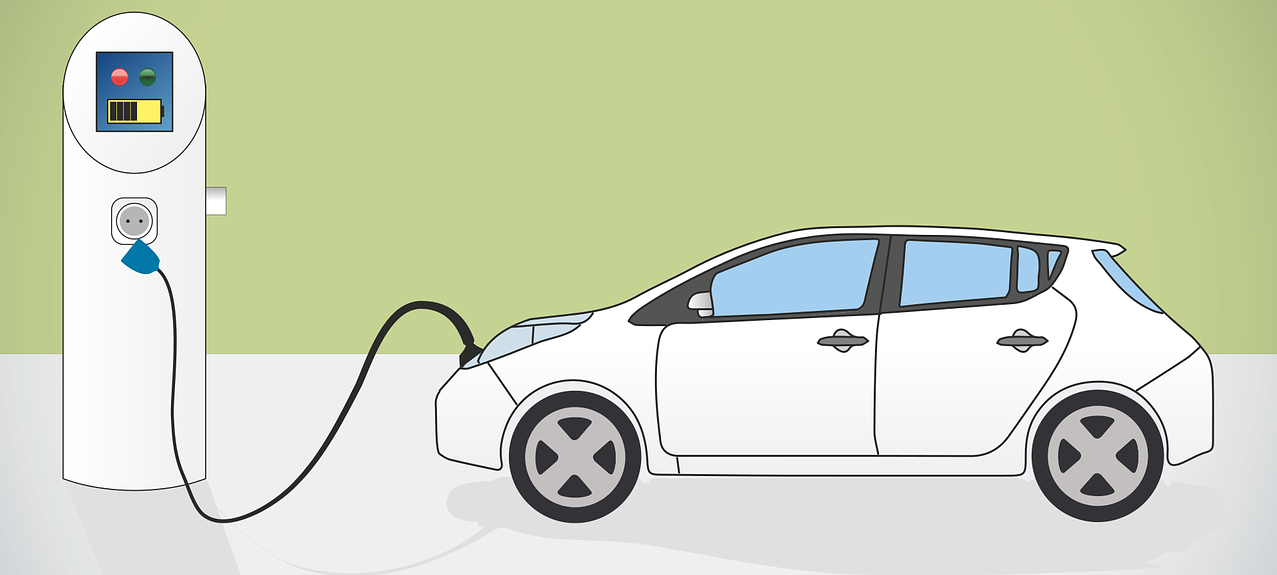
Electric Vehicle: A source to the nation or requires resources for the nation?


EV’s in India have opened ample business opportunities for automobile companies within the country & across the globe. Many resourceful developments in the Industry have taken place giving positive signs to the rise of Electric Vehicles.

So, given the insights of the trending market, does India plan to have all-electric vehicles by 2030? This target seems way too ambitious.

The EV Industry has just taken birth in India, to raise or develop the newborn industry. The critical resources like high investments, state policies and incentives will have to take a great role for the nation to compete globally and such resources would be the key factors.

As per Dr Pawan Goenka, MD of Mahindra & Mahindra, “In terms of EV Connectivity, Norway has 22%, China has 2%, India has only 0.2% for us to talk about full connectivity by 2030 is perhaps too ambitious but 20% by 2030 is the realistic target”. However, in order to achieve these figures, the Indian Automobile Industry is ready to take on the challenge.

To boost the automotive industry to meet its desired goal, the Government of India launched "National Electric Mobility Mission Plan (NEMMD) 2020" which will help in fulfilling the requirement of resources for the nation to grow in the EV industry.

The Plan also aims to achieve national fuel security by promoting Hybrid & EV’s in the country. The first Usable EV will happen through aggregators, Flee Operators such as –Ola, Uber, and Corporate Fleets and so on. The Personal use of EV’s will take place once they became affordable.

On the other hand, the business in EV is one of the biggest opportunities which will serve as a service source to the nation. Firms, like M & M, Tata motors have already been awarded govt. tenders by EESN- Energy efficiency Services limited to manufacture 10000 EV’s in India at least. Mahindra group has already announced its Plan to invest 140 million dollars in EV’s over the next 4 years. Similarly, Hyundai is expected to introduce an EV by 2019 in India, Suzuki & Toyota intends to come in 2020.

Charging Stations are also being planned and set up across the country which signifies a parallel growth of another industry i.e. battery industry. India is changing now with the advent of numerous new technologies and innovations in the EV space & numerous opportunities are on the rise. Hence Electric vehicle although requires resources to be a source to the nation to grow & compete globally.
Not only this, the experienced Recruitment consultants for electric vehicle are noticing the way the companies are actively upgrading their workforce and hiring highly skilled employees to suit the changing requirements.

Pooja Harar
Senior KAM - Auto Sales
Impeccable HR Consulting Pvt. Ltd

Comments

Popular posts from this blog

Radical shift of 2023 priorities: from CXOs desk

Highlighting CXOs 2023 oriented strategies: Converging or Diverging? Adapt or lose ; 4k CXO level believes in this Darwin’s theory of evolution for the massive turbulence in the corporate sector. Top-level priorities have shifted dramatically in order to adapt to the situation transforming digitally and broadening their focus to include the following factors: The climate clock is running out Believing in ‘Now’ or ‘Never’; CXOs are all set to take initiatives towards mitigating climate change with a commitment to reducing the carbon footprint, says Deloitte’s 2023 CXO Sustainability Report. 84% of CXOs believe that the world can achieve global economic growth while also reaching climate goals. War for getting a right talent Gartner’s report is a reflection of the war on talent stating that 49% of CEOs believe it is very tough for us to identify and hire the kind of people we need for our firm. Around 85% of CEOs believe Upskilling is the only path to a future-proof career. Bl...

HR Agility: Managing the Change!

Progressive organizations that are seeking a profound competitive edge in the digital world have been increasingly focusing on the need for HR agility. However, there is lurking concern that HR agility is endangered to become a trending buzzword in corporate conversations. HR agility is basically the ability of the HR function to react instantly and adequately to the evolving employee expectation, business conditions and workplace disturbances. Therefore, HRs are expected to elevate their functions to a level where they can keep pace with the evolving demand. Today’s business processes have a more stable environment. The objective is to drive efficiency, consistency and risk reduction through tight procedures and controls. It is with the emergence of global competition, changing customer demand, political turmoil, supplier upheavals and economic troughs that the stability is getting replaced with permanent volatility. Gone are the days when the pre-structured polici...

Perception for Human Resource professionals created by Social Media

The above conversation may be fictional but the underlying thought behind it isn’t. The perception that friend 1 ( Sharad) had about HR’s is exactly what most people think and a lot of the credit goes to social media. Articles from popular micro-blogging sites are shared on a daily basis on social media and they help in spreading this common thought. As an HR, I take offence to these articles and understand that humour is important but not at the expense of a profession.   HR is supposed to be the one common bridge between all the other departments. Right from recruitment all the way to the exit, we do it all. And yet our work goes unrecognized. Is this point of view harming HR as an industry? No, not yet. I am sure this is a common consensus that people love reading, laughing& sharing there funny HR articles without realizing that they are spreading false facts by dissing an entire profession. Let me tell you the reality of being a human resource profess...